
Longevity
NAD+: A Research Overview of the Molecule Behind Cellular Energy and Longevity Studies
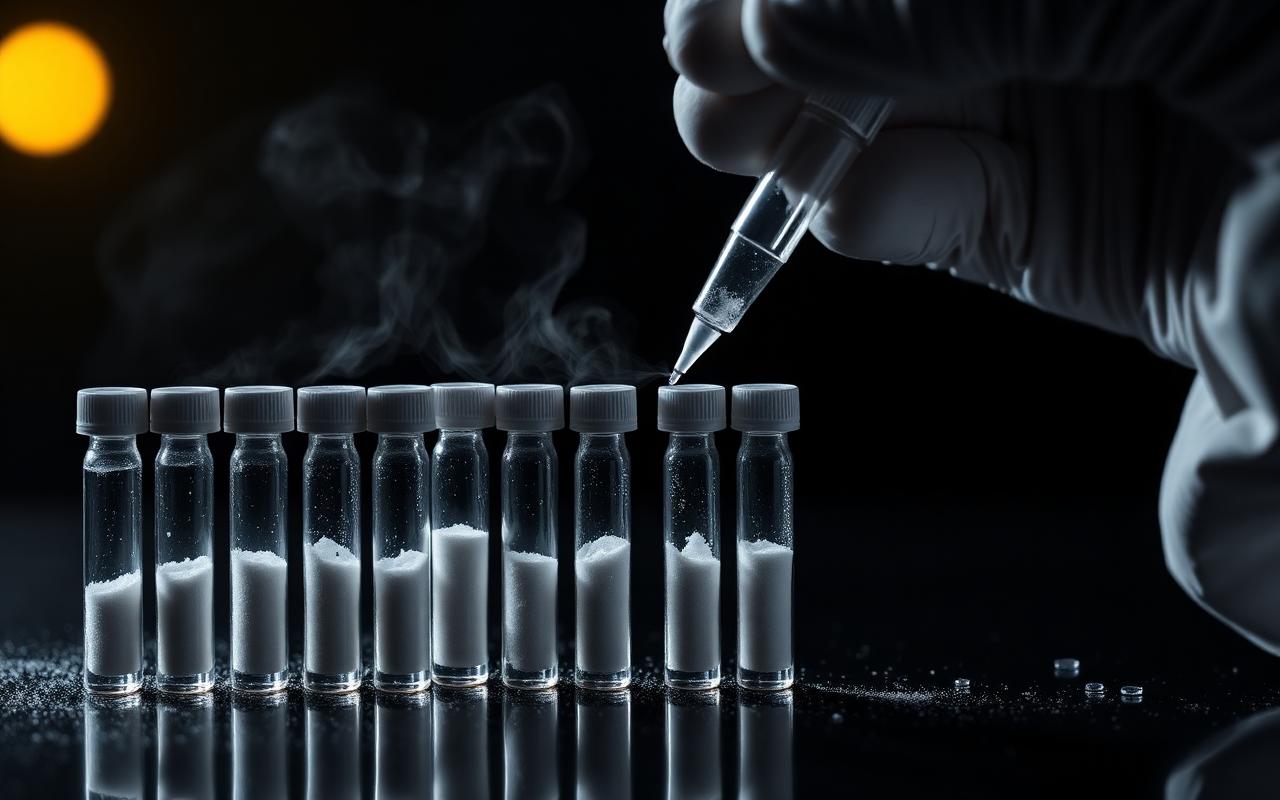
Nicotinamide adenine dinucleotide (NAD+) is one of the most studied small molecules in modern cell biology. It serves as a coenzyme in hundreds of redox reactions and as a substrate for enzyme families that regulate gene expression, DNA repair, and metabolic state. For laboratory researchers working in longevity, mitochondrial biology, or stress-response models, NAD+ is a focal point because intracellular pools shift with age and with metabolic perturbation.
Why NAD+ Matters at the Cellular Level
NAD+ cycles between its oxidized (NAD+) and reduced (NADH) forms across glycolysis, the TCA cycle, and oxidative phosphorylation. Beyond redox, NAD+ is consumed by sirtuins, PARPs, and CD38 — enzyme families that link metabolic state to chromatin modification, DNA-damage signaling, and calcium handling. The pool size and turnover rate of NAD+ are therefore not just energetic measurements; they are inputs into multiple regulatory systems studied in aging research.
NAD+ in Longevity Research
Published preclinical work has examined how NAD+ availability influences sirtuin activity, mitochondrial biogenesis markers, and stress-response transcription programs. In-vitro studies frequently track sirtuin-dependent deacetylation, mitochondrial membrane potential, and oxidative-stress markers as functional readouts. These endpoints support hypotheses about the role of NAD+ in cellular resilience but do not on their own validate translational claims.
Common In-Vitro Endpoints
Researchers commonly measure intracellular NAD+/NADH ratios using cycling assays or LC-MS, paired with downstream readouts such as SIRT1/SIRT3 deacetylation activity, PARP-mediated PAR formation under DNA-damage conditions, and oxygen-consumption rate in respirometry platforms. Carefully matched vehicle controls and standardized assay buffers are essential because NAD+ is sensitive to pH, temperature, and freeze-thaw cycles.
Handling and Stability
NAD+ is hygroscopic and degrades in solution faster than the lyophilized form. Working stocks should be prepared in cold, neutral-pH buffer, kept on ice during use, and aliquoted to minimize freeze-thaw exposure. Reference the lot-specific Certificate of Analysis for purity and net content before normalizing concentrations across experiments.
Reproducibility Considerations
NAD+ pool measurements are notoriously sensitive to sample-collection technique. Quenching cells rapidly, controlling for cell density at harvest, and processing samples in matched batches all reduce variability. Reporting both NAD+ and NADH (not just the ratio) helps other groups interpret directionality when comparing across studies.
Disclaimer: NAD+ and all peptides or biomolecules referenced are supplied strictly for in-vitro laboratory research use. They are not intended for human or veterinary use and have not been evaluated by the FDA for any diagnostic or therapeutic purpose.